I’m going to resist the urge to make excuses about my utter lack of blog posting (August was my last post. AUGUST. Ugh). I don’t believe in New Year’s resolutions, but if I did, posting more often would definitely be at the top of that list. So I can’t promise you I will post more regularly because I don’t want to be a liar, but I will try.
Instead, you get this post that I planned a year ago, in January 2023, when I saw everyone posting about the books they’d read in 2022. I’d never kept track of the books I’d read in a year, and since I promised myself (NOT a resolution) I’d read more in 2023, this year I kept track. And I finished at twenty-three. Well, sort of. I included the book I didn’t finish, but you’ll have to read below to find out which one that was. I have listed them in the order I finished them. Oh, and forgive me the weird pictures. I took them from the Kindle app on my phone.
Read more: 23 in 2023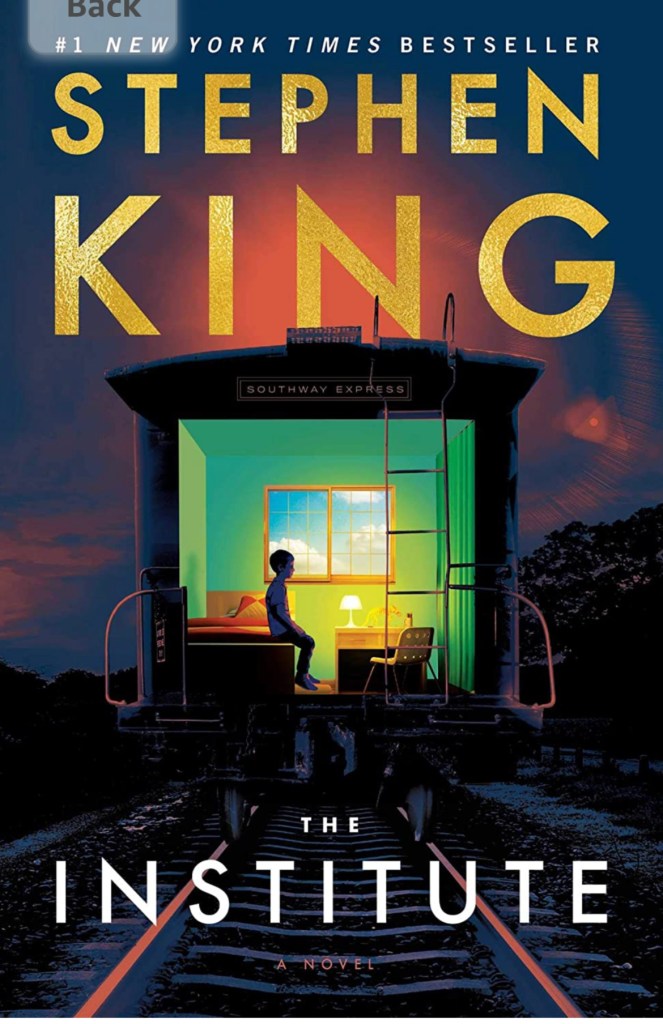
The Institute by Stephen King. This was not the best Stephen King book I read this year (and I read four of them, one of them a reread), but it was pretty good for ninety percent before it fell flat, as most of SK’s books do. Look, I love the man’s work; he’s published about sixty books, of which I have read about half. My favorites are the ones where the ending makes sense and is perfectly executed. This was not that but was page-turning for that ninety percent. I will say even at seventy-six, the man writes kids and teens better than almost anyone.
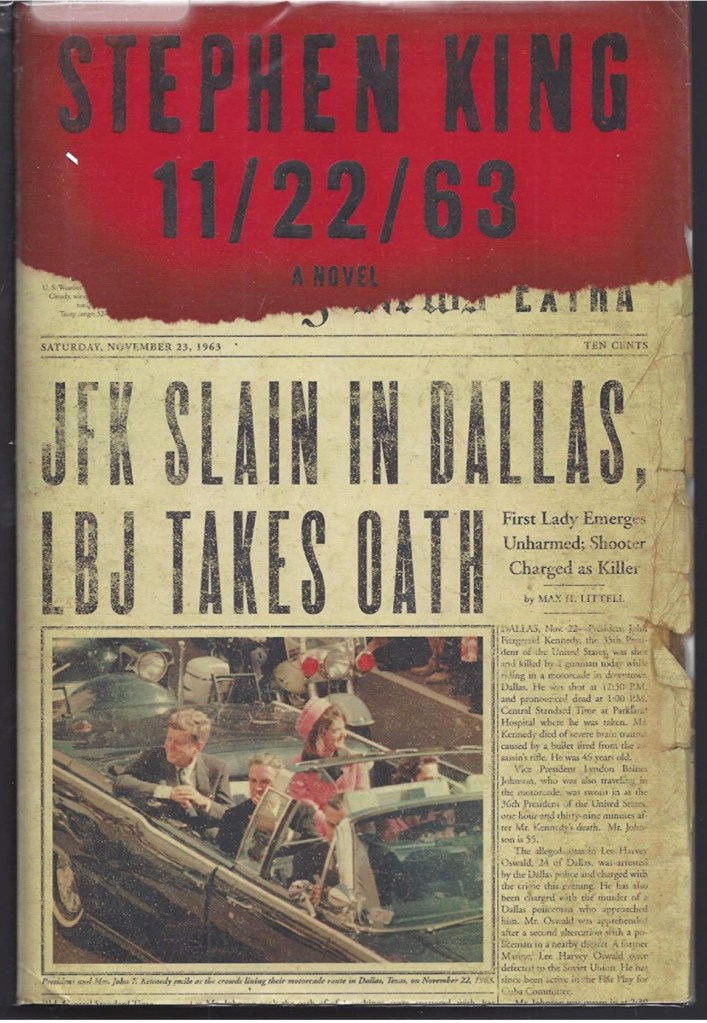
11/22/63 by Stephen King. Also not the best King book this year; better than The Institute in some ways and not as good in others. Time travel fiction is tough for anyone, but I think King nailed it here.
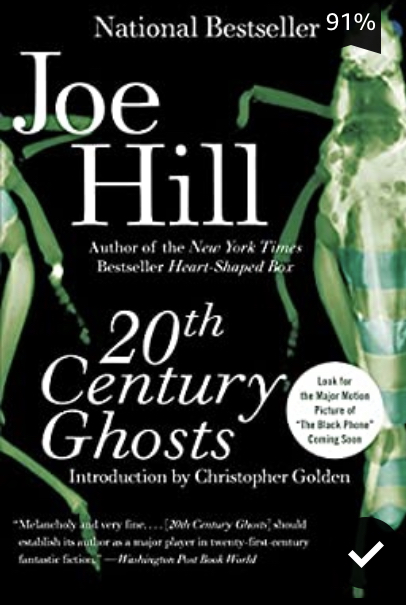
20th Century Ghosts by Joe Hill. Joe Hill has yet to disappoint me and this was no exception. I started this short story collection after watching The Black Phone on my birthday (in some ways, that movie is better than the story it’s based on), and that’s not even the best story in this collection. He’s not as prolific as his dad (the aforementioned Stephen King), but I wish he were. His books are that good. Try Heart-Shaped Box, Horns, or The Fireman, though NOS4A2 is good too.
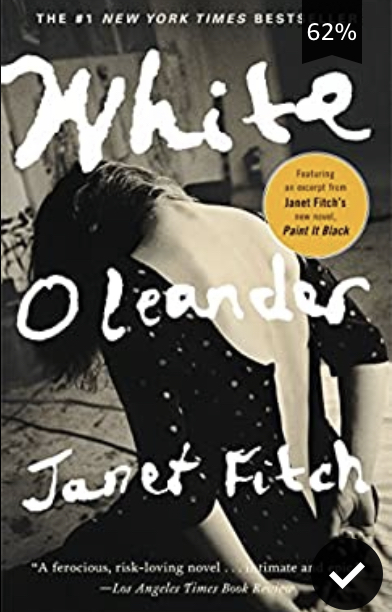
White Oleander by Janet Fitch. Several people recommended this to me and I finally got around to it. And it was…fine.
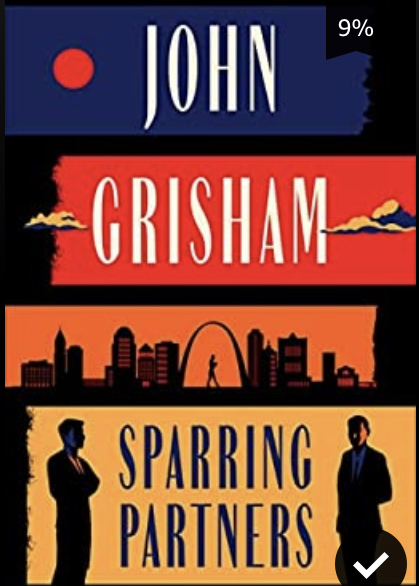
Sparring Partners by John Grisham. I read more Grisham than I do King (I tried to count how many there are and how many I’ve read, but I kept losing track), but I can tell you the basic plot of every King novel, and can’t recall a thing about most of Grisham’s (The Rainmaker, The Firm and A Time to Kill are a few exceptions). This is a collection of three novellas (four?), and I remember being satisfied when I finished it, but I can’t remember a single one of the stories.
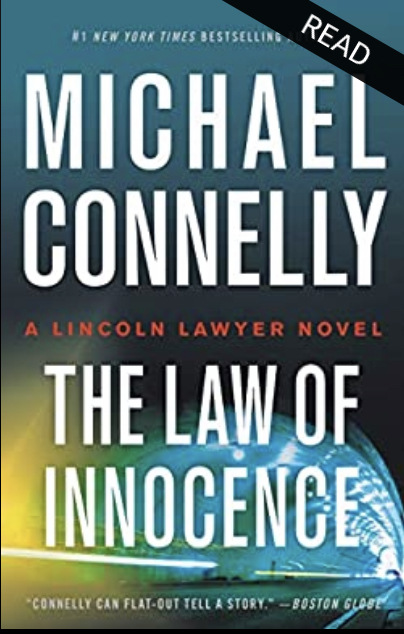
The Law of Innocence by Michael Connelly. I don’t read the Harry Bosch novels, but I eat up the Lincoln Lawyer ones. I remember really liking this one, but I can’t remember why. Maybe I should take notes? In any event, the next book (the seventh in this series) will be at the top of the list of 2024 reads, as I just started it last night.
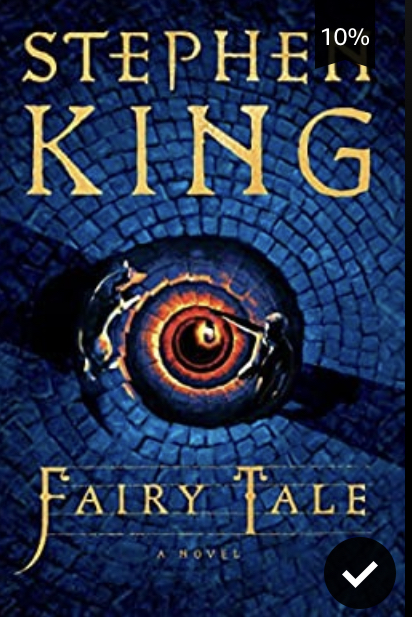
Fairy Tale by Stephen King. This was the best SK I read in 2023 (but not my favorite overall. You’ll have to keep reading for that). Something about his forays into fantasy really scratch an itch for me (though admittedly I have not read any of the Dark Tower novels, but Eyes of the Dragon is hands down my favorite SK book) and this one is very good. And the ending didn’t suck, so there’s that.
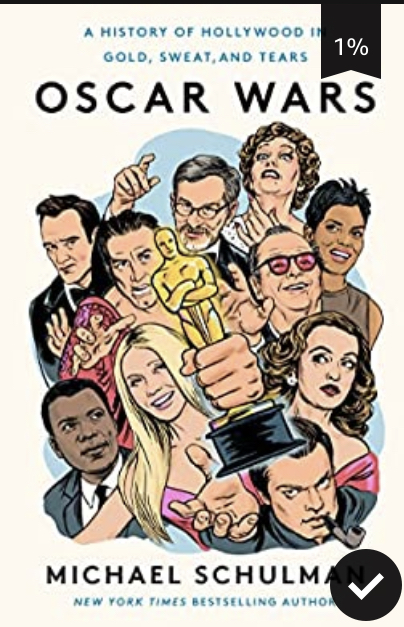
Oscar Wars by Michael Schulman. The only thing about this book I didn’t like was that it ended too soon. I love movies, and the Oscars, and I wanted more of these stories!
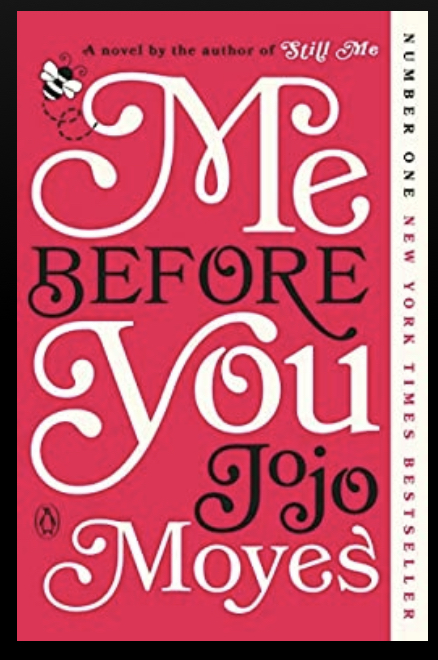
Me Before You by Jojo Moyes. This was a reread for me. I remember being gutted by it the first time I read it, but this time it was easier because I knew what was going to happen. It’s still a heartbreaker.
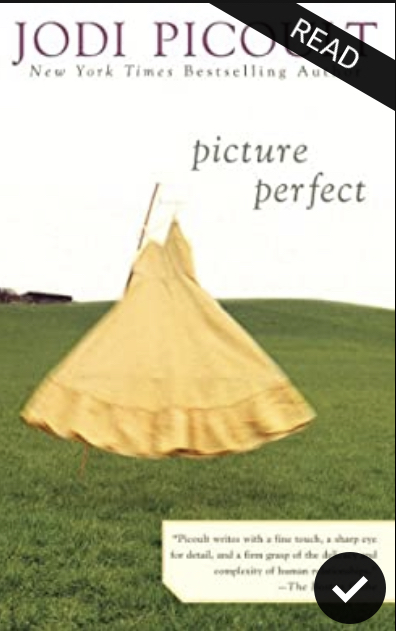
Picture Perfect by Jodi Picoult. I’ve read a couple of Picoult’s and this is one of the earlier ones. It was also fine.
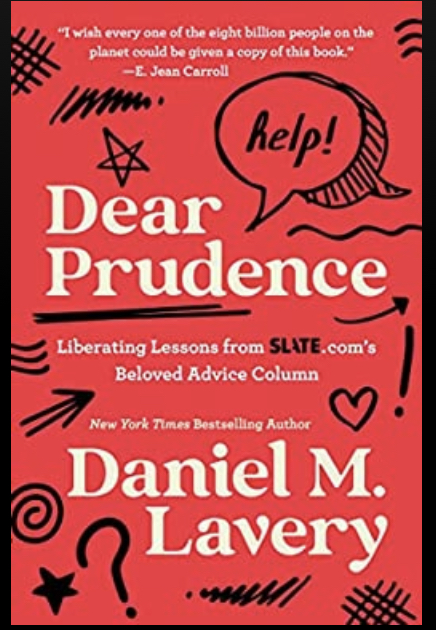
Dear Prudence: Liberating Lessons from Slate.com’s Beloved Advice Column by Daniel M. Lavery. Ahhh, satisfying my advice column addiction in book form. I am, of course, an avid reader of the Dear Prudence column, so none of the letters in this book were new to me. But I enjoyed them just the same.
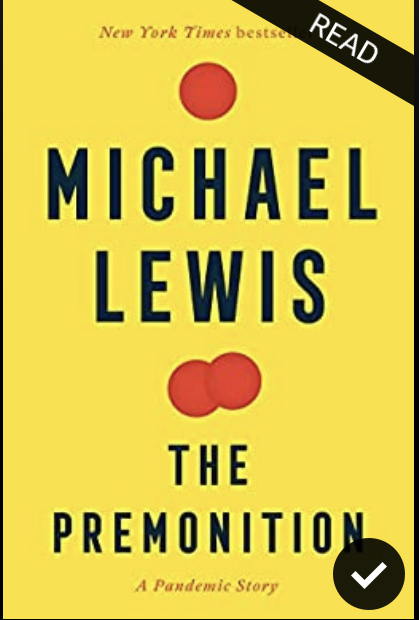
The Premonition by Michael Lewis. This book was excellent but, man, did it make me mad. It’s about how a team of doctors developed a pandemic response plan in the aughts, and the countries who adopted similar plans by 2020 had almost no COVID. Friends, that was OUR pandemic response plan. THE UNITED STATES. We weren’t unprepared. We just didn’t follow our own plan. This book is more about the development of that plan than the pandemic, but not in a way that’s too doctor-y to follow.
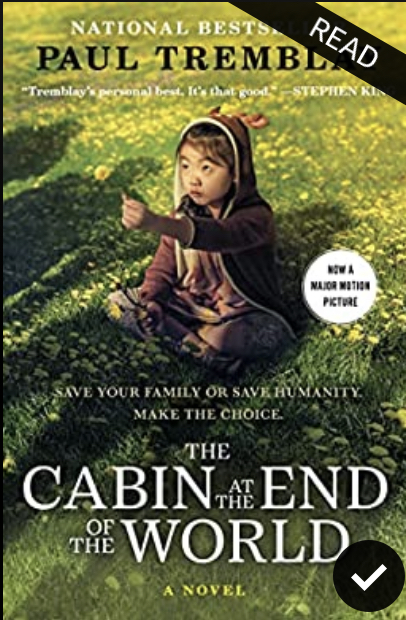
The Cabin at the End of the World by Paul Tremblay. Recommended to me by a friend, I read this after I watched the movie it’s based on: Knock at the Cabin. I thought the movie was good, but there is a huge plot difference in the book that is so much more complicated and impactful and makes the end make so much more sense than the movie did. I thought about it for days after I finished it and am still thinking about it. This is my favorite book from 2023.
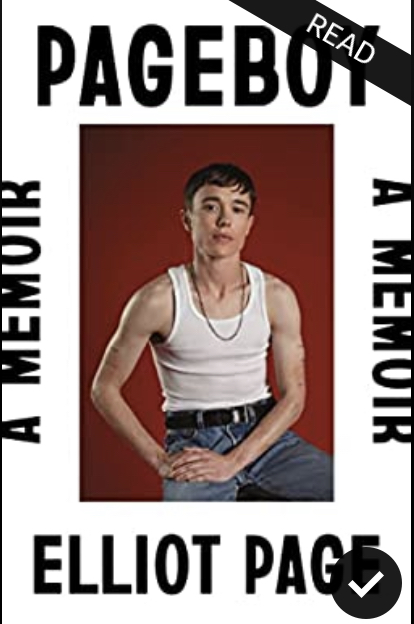
Pageboy by Elliot Page. Elliot Page is the trans activist and spokesperson the world needs, and his memoir is touching and remarkably well-written. My biggest takeaway is that none of us have to hate Juno, he loved making it and loved the part (though the studio demands during the Oscar campaign triggered a lot of gender dysphoria for him). I love Juno and will forever have a crush on Elliot Page.
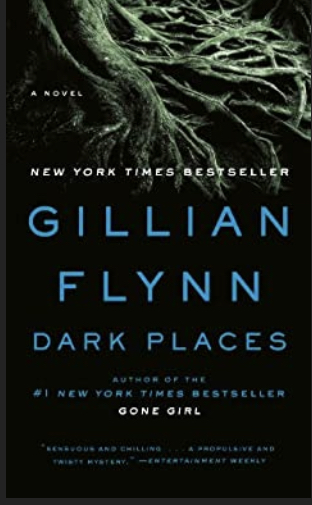
Dark Places by Gillian Flynn. Another reread. Gillian Flynn is the master of unlikable characters that you somehow root for anyway. I like this one better than Gone Girl.
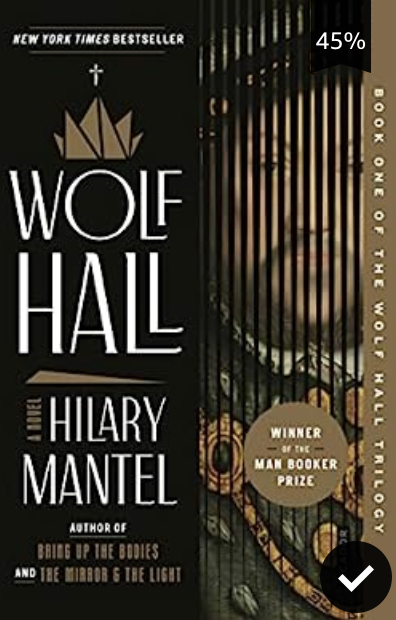
Wolf Hall by Hilary Mantel. Yeah, notice the forty-five percent in the corner of the picture? I didn’t finish it. The older I get, the more convinced I am that time is too short to finish a book I’m not enjoying. Tudor England (specifically the six wives) are one of my minor fascinations, and I wanted to love this novel (the first in a series) about the life of Thomas Cromwell. Usually I get to fifty percent before giving up, but I knew I wasn’t going to finish it.
True Evil by Greg Iles. After the long slog that was forty-five percent of Wolf Hall, I wanted something silly and fun that didn’t take much brain power. This fit the bill nicely. The antagonist was maybe not true evil as the title suggests, but he was cartoonishly bad, which just made this more fun.
Night Shift by Stephen King. Of course this was a reread, but it had been YEARS since the last time I read it, and the stories hit middle-aged me different than young adult me or teen me. In the interest of full disclosure, I skipped the first story, Jerusalem’s Lot, because it’s boring. I tried, but it was still boring.
What My Bones Know by Stephanie Foo. I had yet to read this book when I recommended it to a friend who loved it. After I finished it, it occurred to me that we both read the same book, but at the same time, we didn’t. The book she read had the same words on the page as the one I did, but she took very different things from it, because her experience is closer to the subject matter than mine is. As John Green (I want to be John Green when I grow up) has said, “Books belong to their readers.” That made sense to me after I finished this book.
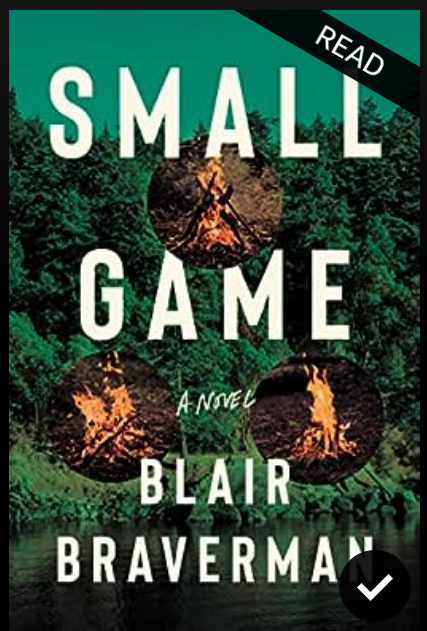
Small Game by Blair Braverman. This book was a missed opportunity. I enjoyed it for the most part, and it contained a gut-punch I didn’t see coming, but the real stuff I wanted to know happened after the book ended. It was really just the first half of a book, and I wanted the rest of it.
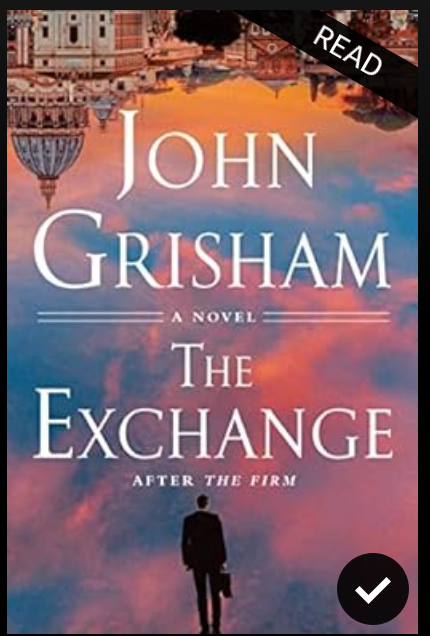
The Exchange by John Grisham. I bought this book on the strength of the subtitle: After the Firm. Whaaaaaaat? I was so excited at the prospect of finding out what had happened after that book ended. Well, I agree with another reviewer who said it seemed like Grisham slapped The Firm‘s character names onto a random story to sell books. I can’t say for sure if that’s true, but this story was a kidnapping and ransom yarn that had me for a while, but got stale fast.
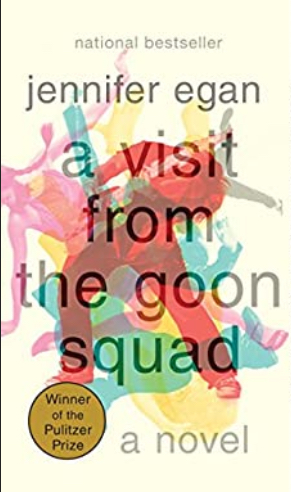
A Visit from the Goon Squad by Jennifer Egan. I’ve hesitated to call my next book, Connections, a novel because it’s not one story, but a series of stories centered around a place that occur in a single day. And then I read this, which does the same thing, only it centers its stories around an industry. And it’s really good. There’s one chapter that’s presented as a PowerPoint written by a tween, and it tells a story just as well as any prose.
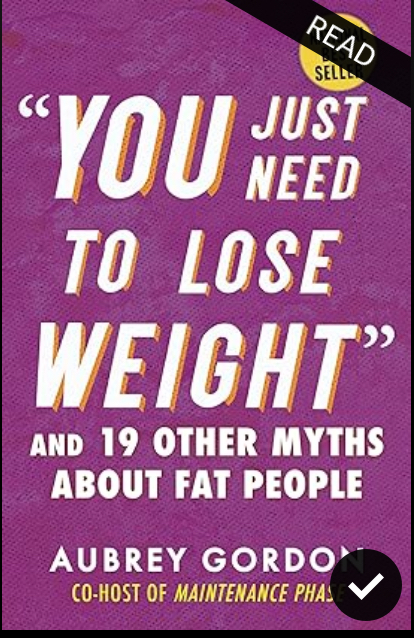
You Just Need to Lose Weight and 19 other Myths About Fat People by Aubrey Gordon. Of course the most personal book for me was the last one I read, finishing it around seven on New Year’s Eve. I didn’t necessarily agree with everything the author said, but her statements are backed by data-driven evidence.
I was a big (I’m not really comfortable with calling myself fat the way this author is) kid who turned into a big teen, who then became a big woman. In late August, I was hospitalized briefly (diverticulitis is NO JOKE), and I can’t tell you the number of health care workers who were surprised–shocked in some cases–to learn that I do not take any prescription medications, did not have any other health problems (my blood pressure, blood sugar, and EKG are all normal), and my last hospital stay happened nineteen years ago when I had a baby. I found myself repeating, “Except for the sixty extra pounds, I’m completely healthy!” followed by a skeptical look from the health care worker I was speaking with.
Now I’m not under the delusion that this was terrible, and I know my Black friends have certainly encountered worse from health care workers. But this experience still speaks to one of the points Aubrey Gordon makes in this book: fat does not equal unhealthy and couching your fat-shamey bullshit as “concern about your health” is just a way to justify your discrimination and poor treatment of someone living in the only body they have.
Three times in my life, I have lost a significant amount of weight, mostly by eating much less food than is recommended for any adult (usually in the neighborhood of 1,200 calories a day). Basically, to “just lose weight” a fat person needs to starve. And for what? So they look better to everyone else? And each time I lost that weight only to gain it back, because eating that few calories for the rest of eternity is unsustainable.
And I love ice cream.
I will hop down off my soapbox and say that if you have ever given weight loss advice to a fat person, or if you have ever been disgusted by looking at someone’s body, then you need to read this book.
So those were the 2023 books. Join me next January for the 2024 list. In the meantime, keep an eye out for new blog posts (I was serious about wanting to do more) and do what makes you happy.
 Vickie Jarman
I thought I had read all of the Piccoult’s but I just reread the description of Picture Perfect and it doesn’t sound familiar. Have you read her Small Great Things or A Spark of Light? Both excellent! A Spark of Light is written in an interesting format.
I also read Dark Places and enjoyed it. Was thinking about part of it the other day and trying to remember which book it was. Lol.
I actually read 24 this year (with the goal of 23) because of a couple of long trips/flights. On to 2024!
LikeLike